
- What is Kitchen Farsi? It refers to the casual, domestic Persian spoken by heritage learners in the diaspora, which is perfect for family gatherings but limited in formal contexts.
- The Cultural Disconnect: Relying solely on spoken “Kitchen Farsi” creates a literacy gap, making it difficult to engage with classical Persian poetry, historical nuances, and philosophical debates.
- The Power of Literacy: Moving from hearing Persian to reading it unlocks a deeper understanding of Iranian culture, classical literature, and ancient myths.
- What You’ll Learn: This article reveals 4 surprising truths about Iran that domestic conversations won’t teach you, guiding you from geographical heritage to the masters of the written word.
Introduction: The Echo in the Room
There’s a familiar feeling for many of us who grew up in the diaspora—especially heritage Persian learners who grew up hearing the language at home but rarely learned to read it. You’re at a family gathering, and the conversation flows easily. You can keep up, laughing at jokes, asking about relatives, and navigating the pleasantries of what we often call “Kitchen Farsi.”
But then, the conversation shifts. An uncle recites a line of poetry, an aunt references a historical event, or a philosophical debate begins, and suddenly, you feel a slight disconnect—an echo in the room where a deeper understanding should be. You’re fluent enough for the kitchen, but the library of your own culture feels just out of reach.
That moment of disconnect isn’t about intelligence or effort. It comes from a simple gap: the difference between hearing Persian and reading it—between living the culture in conversation and accessing it in its recorded, reflective form.
Learning to read Persian culture and its classics isn’t a daunting academic chore. It’s about unlocking a series of doors. This article will reveal four of the most surprising discoveries that await you on the other side, starting from the land itself and moving to the masters of the written word.
Time to read:
Why Apps, Casual Chat, and Even YouTube Can Keep You Stuck
The language learning market offers three primary paths, each with a critical flaw for the Heritage Learner:
1. The Illusion of Fluency (Gamified Apps & Casual Chat)
You may have tried gamified apps (like Mondly) or casual conversational podcasts (like Chai and Conversation). While they seem different, they share a critical flaw: they only deliver “Transactional Fluency.”
They teach you the language of the tourist—how to order food, ask for directions, or engage in surface-level small talk. But you are not a tourist.
By keeping you in the realm of simple chat, these methods validate the “imposter” rather than the scholar. They fail to build the bridge to Literacy—the formal vocabulary and cultural depth required to discuss Saadi, understand the history of Yazd, or earn that deep nod of respect from your elders. You learn to speak, but you remain illiterate in your own heritage.
2. The Trap of High-Friction Native Content (BPlus & Unstructured Media)
On the other end of the spectrum, ambitious learners often turn to high-quality native content, such as the excellent history deep-dives by Ali Bandari on BPlus. While Ali’s work is incredibly valuable for history enthusiasts, it is not designed for language learners. The vocabulary is advanced and rapid. To learn from it, you must pause constantly, look up words, and spend hours manually creating your own Anki flashcards. It is inefficient. You spend 80% of your time preparing to study and only 20% actually learning. Furthermore, while it covers modern history beautifully, it leaves the vast treasury of Classical Persian Literature completely untouched.
The Solution? A Scaffolded Path. You don’t need “easy” tourist apps, and you don’t need the struggle of unassisted native media. You need Content-Based Learning (CBL) that provides the structure—glossaries, synchronized audio, and cultural analysis—so you can engage with complex texts immediately, without the burnout.
1. The Landscape of Iran Is a Storybook Written in Stone, Sand, and Tile
Persian culture does not stop at the page. In Iran, storytelling spills out of books and into the land itself. To understand the Iranian mind, you must learn to “read” its geography and architecture.
At Joy of Persian, we use these landscapes as your classroom:
- The Mountain (Myth & National Identity): Mount Damavand is not just a volcano; it is a mythological anchor. It is the eternal prison of the tyrannical Zahhāk and the sacred peak of Arash the Archer. By engaging with this lore in our Damavand course, you acquire the language to move beyond personal anecdotes to the collective cultural narrative, discussing national pride and mythology with confidence.
- The Desert (Ingenuity & Resilience): The central deserts (Kavir) teach the language of survival. Our Deserts of Iran course dives into the Qanats (ancient underground aqueducts) and the civilizations that thrived in the heat. This gives you the specific vocabulary to discuss the history, geography, and resilience of the land your parents miss—topics that are deeply personal to the diaspora experience.
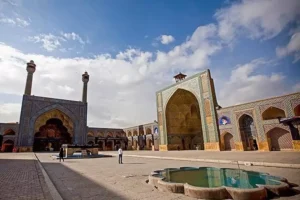
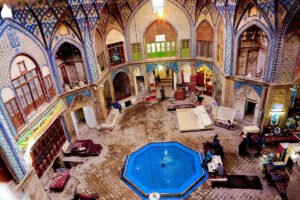
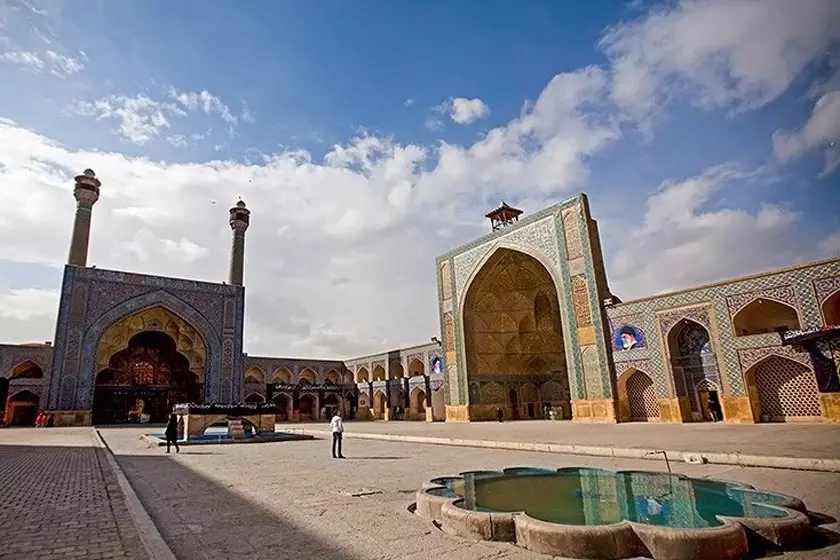
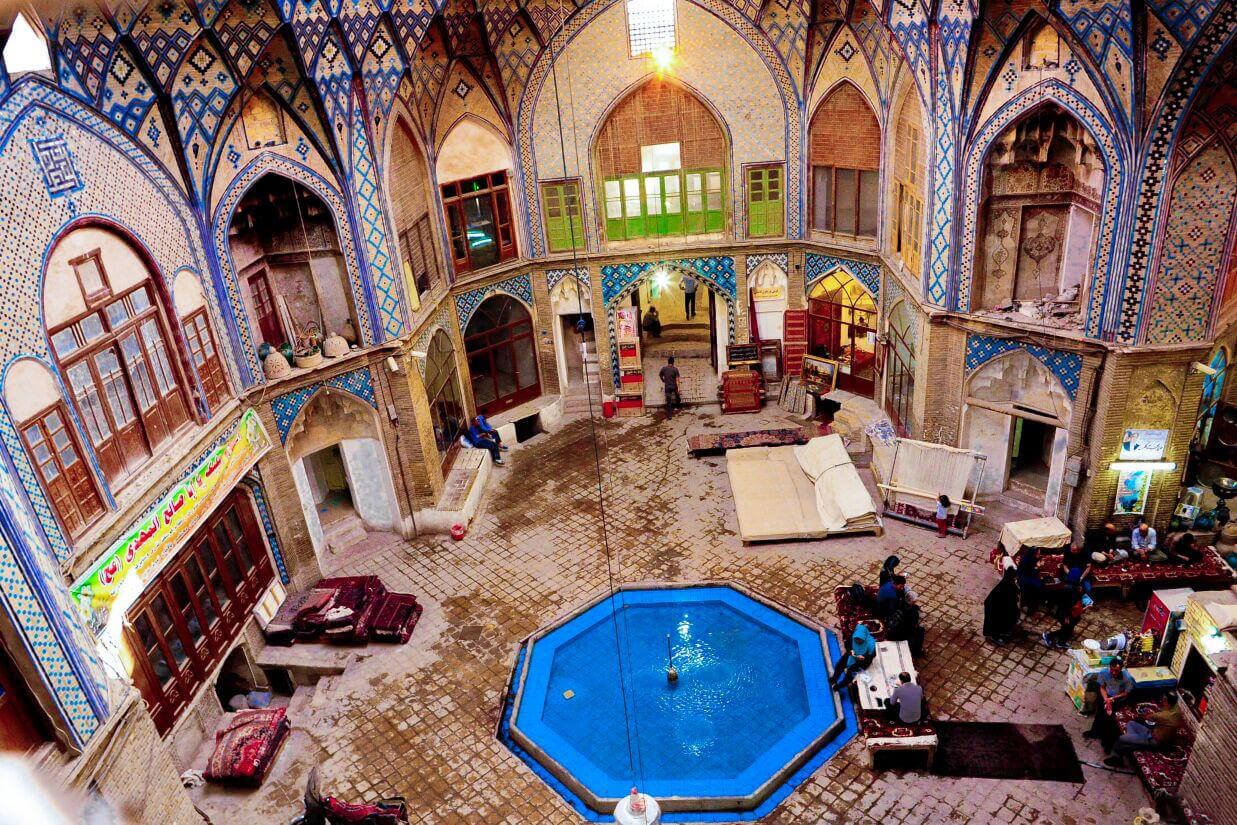
- The Mosque (Spiritual History & Nuance): In Persian architecture, buildings speak. The intricate tile work is not mere decoration; it is spiritual text materialized. Our Mosques of Iran course offers a window into these layers, equipping you with the specialized vocabulary to navigate social customs and religious history with sensitivity and genuine respect.
To understand Persian is to decode a civilization where mountains recite epics, deserts teach resilience, and buildings preserve memory.

2. The Simple Fables You’ve Heard Have Shaken the World
Once you understand the context of the land, you are ready for the “Master of Speech”: Sa’di of Shiraz. His 13th-century masterpiece, the Golestan (“The Rose Garden”), is perhaps the single most influential work of Persian prose.
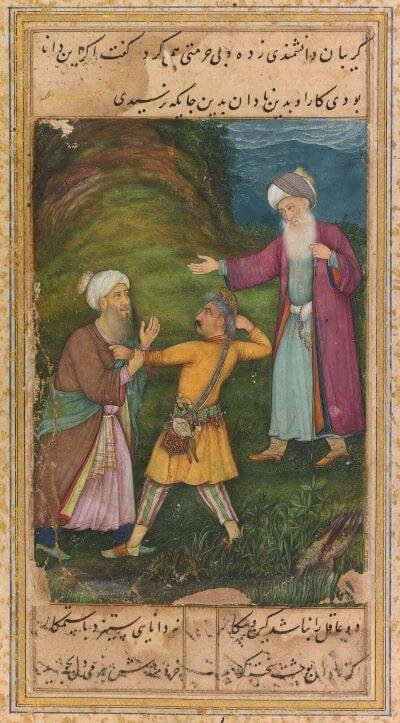
Structured into chapters on topics like “The Manners of Kings” and “The Morals of Dervishes,” it uses simple stories to deliver powerful ethical lessons. Consider the tale of the dervish and the cruel governor. When the governor demanded the dervish pray for him, the dervish prayed, “O God! Take away his life.” When questioned, he explained it was a good prayer—for the governor (to stop sinning) and for all the people (to be safe from him).
These stories influenced figures like Voltaire and are inscribed in the United Nations. For the heritage learner, Sa’di’s Golestan remains the single best entry point to master the rhythm, vocabulary, and ethical wisdom of classical Persian.
A Note for Beginners: If you feel that reading the original Golestan is still a bit too advanced for your current level, don’t worry. We have designed a specific bridge course: “Saadi: Life, Works, and Enduring Wisdom.“ This course introduces you to Saadi’s philosophy and historical context in simpler language, preparing you perfectly before you dive into the original texts.
If Sa’di teaches you how to speak wisely, Rumi teaches you how to think deeply.
3. Rumi Was More Than Just Quotes—He Was a Master Storyteller
As your confidence grows, you are ready for the depths of Rumi (Molana). You see the translated quotes on social media, but there is a surprising truth behind them: the “Rumi” found in bestsellers often bears little resemblance to the original poet.
This phenomenon largely stems from popular English versions, particularly those by Coleman Barks. Remarkably, Barks neither speaks nor reads Persian. Instead, he produces ‘interpretations’ based on earlier literal translations, prioritizing modern appeal over fidelity. He often strips away the distinct Islamic and Persian cultural roots, presenting you with the interpreter’s own thoughts rather than Rumi’s actual words.
The real Rumi offers something far more substantial. His masterpiece, the Masnavi, is not merely a collection of mystical one-liners; it is a tapestry of intricate stories, fables, and allegories that map the human psychology. In our Selections from the Masnavi course, we move beyond these diluted interpretations. We dive into stories like “The Parrot and the Grocer,” where Rumi uses accessible narratives to explain complex spiritual truths.
By reading the original Persian, you reclaim the rhythm, the humor, and the precise terminology he uses to guide the seeker—elements that “Kitchen Farsi” or popularized English versions simply cannot convey.
4. You’re Missing Out on History That Reads Like a Political Thriller
Finally, for those ready for a challenge, there is the foundational work of Persian prose: the 11th-century Tārikh-e Beyhaghi (History of Bayhaqi) by Abo’l-Fazl Beyhaghi.
Forget the stereotype of dry, dusty historical texts. Modern scholars describe Beyhaghi’s work as being structured like a “historical novel,” filled with dramatic descriptions of court life, political intrigues, and wars. His meticulous, Thucydides-like approach was built on a foundation of personal observations and eyewitness accounts.
For a heritage learner, this is a revelation. It shows that the classical texts are not just records of dates; they are vibrant narratives about power, justice, and human passion. Reading Beyhaqi is the ultimate training ground for understanding the formal structure and grandeur of the Persian language.
🎥 See the Method in Action
Curious how it looks inside a lesson? Watch this walkthrough of the “Dervish and the Tyrant” story (from our Sa’di course) to see features like the synchronized audio and interactive glossary at work:
Experience it yourself with these free lesson demos:
- Explore Iran: Journey to Damavand (Demo)
- Read Sa’di: The Prayer of the Dervish (Demo)
- Read Rumi: The Parrot and the Grocer (Demo)
Don’t just speak the language. Learn Persian through literature—and finally read the story your culture has been telling for centuries.
The “Aha!” Moment: The Nod of Respect
The true victory for the Heritage Learner is the moment the shame dissolves and is replaced by a profound sense of belonging. It is the moment you realize you are no longer an imposter, but a fully literate participant in your heritage.
- The Conversation: You are at a family gathering, and the conversation turns to a complex topic. You don’t just understand the words; you understand the subtext. You offer a thoughtful, culturally informed perspective, perhaps referencing a historical event from the Deserts of Iran course or a moral lesson from Saadi.
- The Integration: Your father looks at you, not with polite tolerance, but with genuine respect. Your father, who has always been quietly critical of your “Kitchen Farsi,” gives you a slow, deliberate nod of respect. In that moment, you have done more than speak Persian; you have spoken the language of your ancestors’ wisdom. You have proven you are not just a speaker of the language, but a custodian of the culture.
This is the power of CBL. It doesn’t just teach you the language; it gives you the cultural currency to belong.
Conclusion: How Content-Based Learning Helps You Cross the Threshold
You might feel that bridging the gap between conversational Farsi and these literary masterpieces is too difficult. You might worry about getting lost in difficult vocabulary or archaic grammar.
At Joy of Persian, we have solved this problem. We don’t just hand you a book and wish you luck. We have developed a specific Content-Based Learning (CBL) method designed by our team under the leadership of Dr. Leila Seyedghasem to make these texts accessible, engaging, and digestible.
Unlike traditional methods that rely on isolated grammar drills, CBL teaches you the language through the content itself. This means you acquire complex vocabulary and grammar naturally while absorbed in the stories of Rumi or the myths of Damavand—making these texts accessible, engaging, and digestible.
Whether you are exploring the desert architecture or reading Rumi, here is how you will learn:
- Audio & Text Integration: No more guessing pronunciation. You will follow the text in real-time, highlighted and synchronized with clear audio narration.
- Tailored Reading Guides: We adapt the support to the text type:
- For Classical Poetry (e.g., Masnavi): We use a “Three-Column System” featuring the original verses paired with Simplified Persian Prose and English Translations (such as Reynold A. Nicholson’s), so you grasp the meaning instantly.
- For Golestan & Beyond the Core Courses (e.g., Damavand, Deserts of Iran, Mosques of Iran, Saadi’s Life): We use a “Segmented Text” The text is broken into manageable chunks, each paired with a dedicated glossary, helping you build vocabulary through context without relying on full translations for every line.
- Interactive Practices: Solidify your learning with language and comprehension exercises designed to enhance your skills immediately.
- Full Translations (Classics Only): For literary masterpieces like Golestan and Masnavi, we additionally provide complete, scholarly English translations (e.g., by Eastwick or Nicholson) at the end of lessons to ensure you fully appreciate the literary nuance.
- Prose Narration & Analysis: Particularly in our Masnavi courses, we provide prose retellings and mystical interpretations to decode the deeper symbolism.
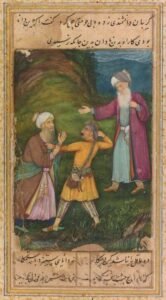
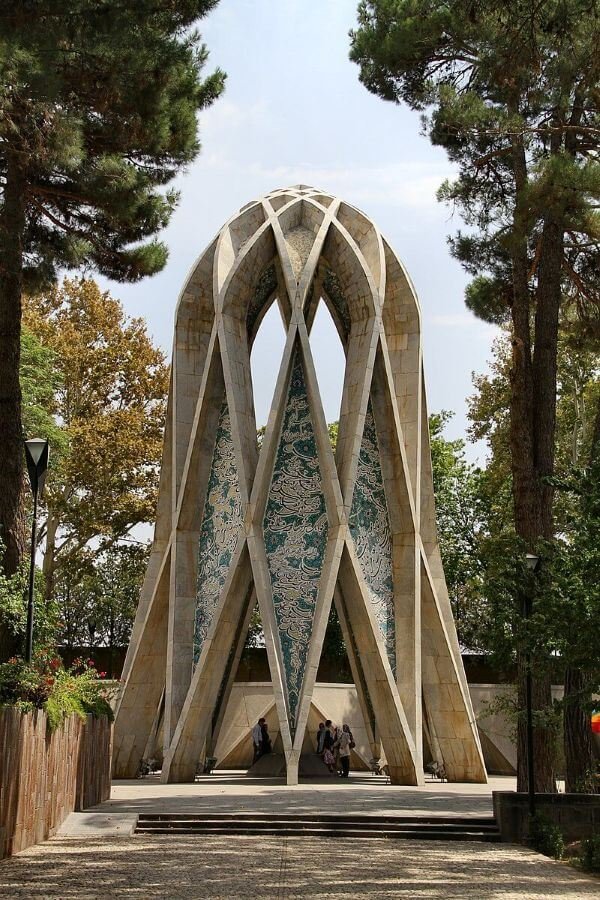
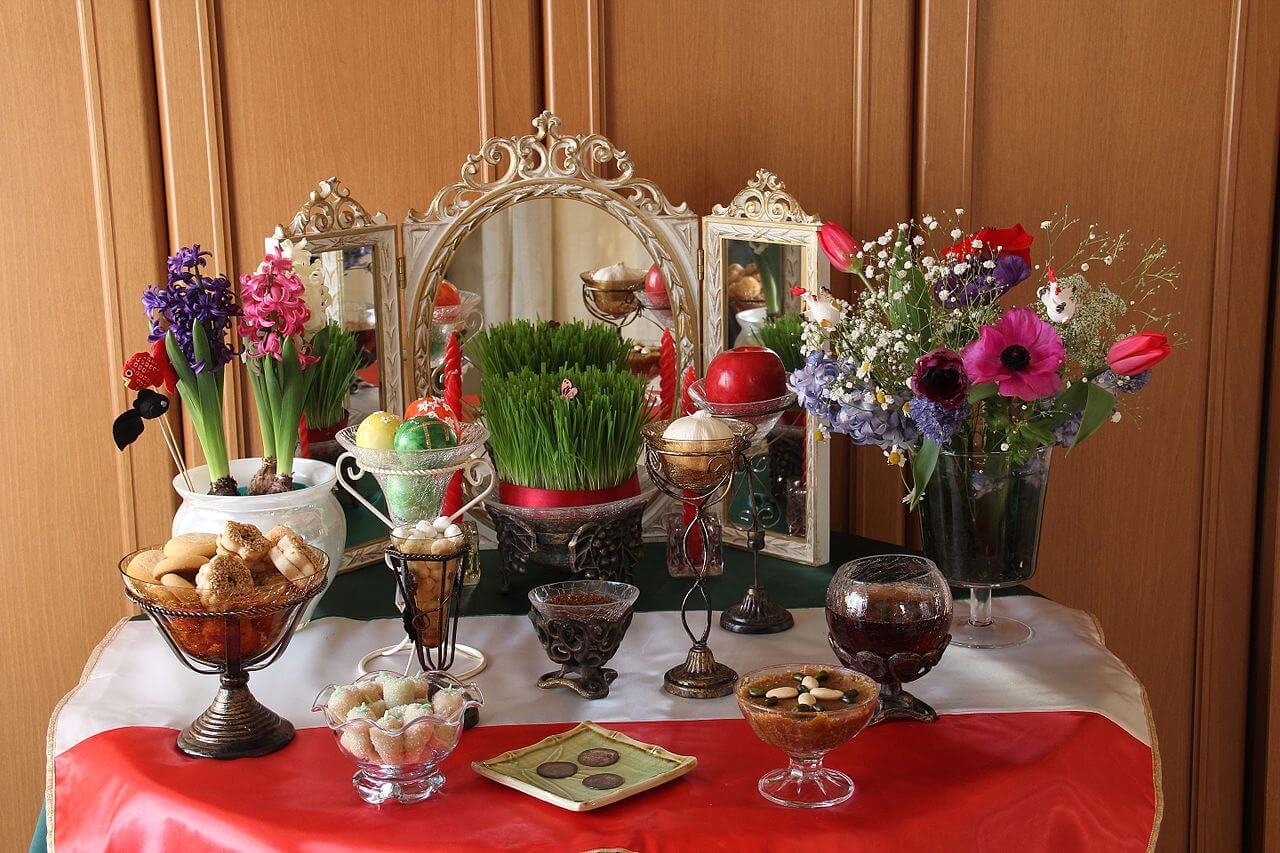
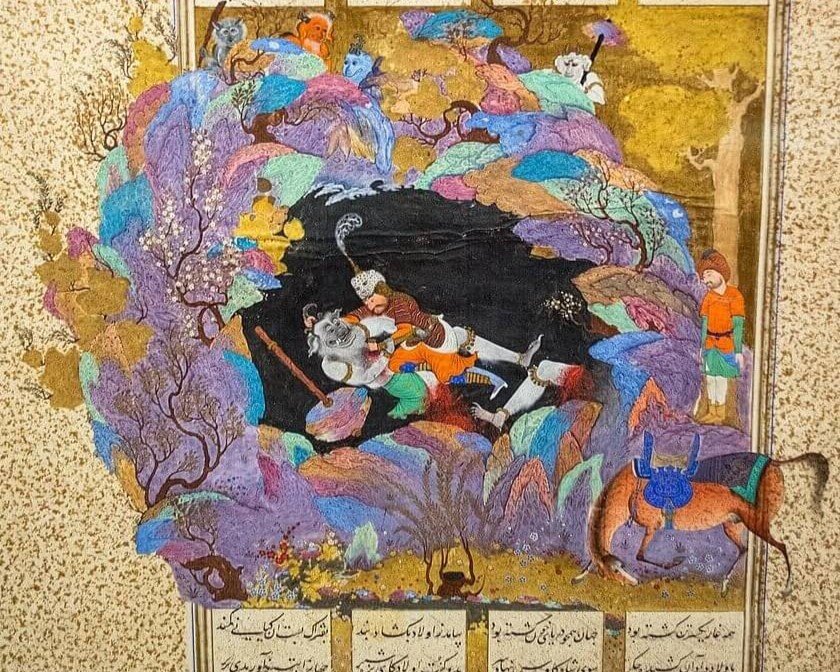
- Immersive Visuals & Rare Artifacts: You won’t just read the culture; you will see it. We integrate a diverse visual library to connect every word to a memory, featuring archaeological wonders, living history and architecture, artistic depictions of myths and legends, cultural symbols, and antique miniatures from masterpieces like the Shahnameh of Shah Tahmasp and exquisite Golestan manuscripts.











FAQ: Elevating Your Heritage Persian
Is “Kitchen Farsi” an official linguistic term?
No. Kitchen Farsi is an informal expression describing the home-based Persian many heritage speakers acquire naturally. It is rich in everyday conversation but usually limited to family life. In linguistics, this is often discussed within the broader field of heritage language acquisition.
Why can I speak Persian with my family but struggle to read Persian books?
Because conversational fluency and literacy develop in different ways. Family conversations expose you to everyday vocabulary, while reading requires thousands of additional words, familiarity with written Persian, and an understanding of cultural references that rarely appear in daily speech.
Why does Joy of Persian emphasize literature, history, and culture instead of travel phrases?
Most heritage learners already know how to greet relatives, talk about food, or follow everyday conversations. What they often lack is the Persian needed to understand Saadi, Rumi, Iranian history, mythology, and authentic written texts. Our goal is to help learners reconnect with Persian as a language of culture—not just conversation.
What is Content-Based Learning, and why is it effective for heritage learners?
Content-Based Learning (CBL) teaches Persian through meaningful subjects rather than isolated grammar exercises. By exploring literature, history, geography, and culture, learners acquire vocabulary in context, making it easier to remember and use naturally. Grammar is learned as part of understanding authentic content instead of being memorized separately.
What is the difference between speaking Persian and understanding Persian culture?
Language is more than vocabulary. Many cultural ideas in Persian are expressed through poetry, historical events, proverbs, and literary allusions. Without access to these references, heritage speakers may understand the words of a conversation while missing its deeper meaning.
What does it mean to move beyond Kitchen Farsi?
Moving beyond Kitchen Farsi means expanding from the language of the home to the language of Persian civilization. It is the point where you can read authentic texts, appreciate literary references, follow discussions about Iranian history and culture, and participate in conversations with confidence across generations.
What is the Kitchen-to-Culture Gap?
The Kitchen-to-Culture Gap is the distance between speaking enough Persian for everyday family life and understanding the literature, history, and ideas that shape Persian culture. Many heritage speakers discover this gap when they try to read a classic text, follow an academic discussion, or fully understand the cultural references used by older generations.
 Add as a preferred source on Google
(Click the link and check the box next to our name)