
- What are Persian writing topics for beginners? Guided prompts (A1-A2) that help learners practice expressing ideas in Farsi script — covering daily routines, family, travel, hobbies, school, work, and even programming.
- Why writing matters for speaking: Writing activates vocabulary, internalizes grammar patterns, and builds confidence. A written paragraph becomes a conversation warm-up, role-play prompt, or pronunciation exercise.
- How to use them: Write 8-12 simple sentences in 10-20 minutes, read aloud for pronunciation, then discuss with a teacher or classmates. Perfection is not the goal — clarity and completion are.
- What you’ll get: 140 curated topics with Persian script, transliteration (Iranian Studies standard), and English — organized into 7 real-life categories for heritage learners, private students, and workshop participants.
Learning Persian (Farsi) becomes much easier—and more enjoyable—when learners actively use the language. One of the most effective ways to do this at the beginner level is through guided writing topics that can also be reused for speaking practice.
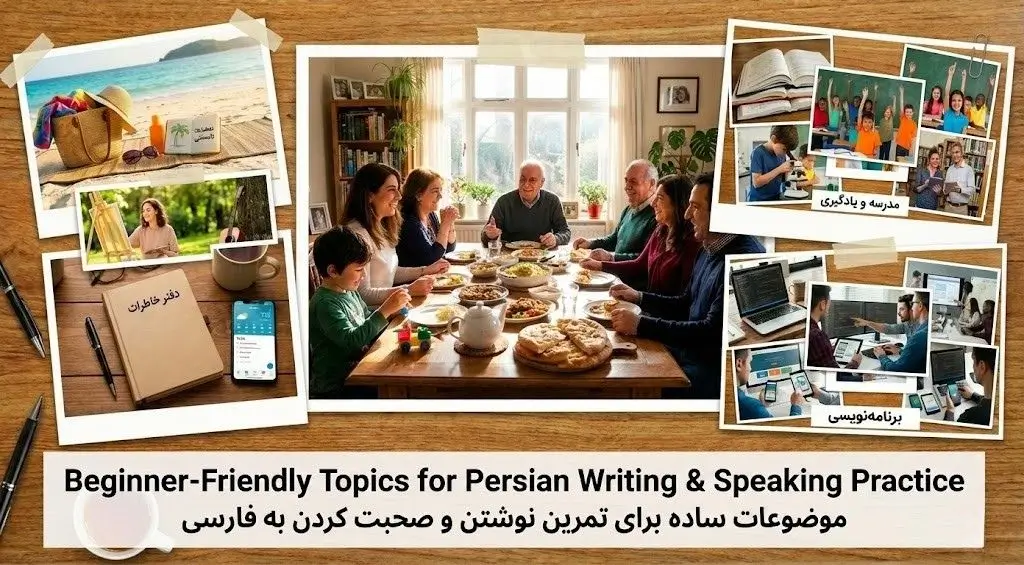
This guide provides 140 carefully curated Persian writing topics for beginners (levels A1-A2). These are specifically designed for:
- Absolute and lower-beginner Farsi learners.
- Heritage learners seeking low-stress, structured practice.
- Private students working 1-on-1 with a tutor.
- Workshop participants practicing in small groups.
Each topic below is suitable for writing practice and for guided conversation. Learners can first write a short paragraph, then read it aloud, expand it, and discuss the same topic with a teacher or classmates.
Time to read:
Why Writing Topics Matter for Beginner Persian Learners
At the beginner level, writing is not about perfection—it is about activation. When learners write, they:
- Strengthen vocabulary retention
- Internalize basic grammar patterns
- Build confidence in expressing meaning
- Prepare naturally for speaking
Writing and speaking should not be separated. A written paragraph can easily become:
- A conversation warm‑up
- A role‑play prompt
- A pronunciation exercise
- A confidence‑building dialogue in private lessons or workshops
How to Use These Topics (Writing + Speaking Practice)
These topics are flexible and teacher‑friendly. They work equally well for individual writing, 1‑on‑1 private lessons, and group workshops.
Step 1 – Write (10–20 minutes)
Write one short paragraph (8–12 simple sentences).
This length allows learners to:
- Reuse basic sentence patterns
- Practice vocabulary without pressure
- Add simple details (time, place, feelings)
- Build real communicative confidence
Focus on:
- Short, clear sentences
- Simple grammar (mainly present simple or past simple)
- Familiar words you already know
Perfection is not the goal. Clarity and completion are.
Step 2 – Read Aloud
Read your text aloud:
- Slowly and clearly
- Paying attention to pronunciation and rhythm
Step 3 – Speak (Private Lessons & Workshops)
In 1‑on‑1 private lessons, the teacher can:
- Ask follow‑up questions
- Help expand short answers
- Correct grammar and pronunciation gently
- Turn the paragraph into a natural conversation
In group classes, learners can:
- Read their texts aloud
- Answer simple questions
- Compare ideas using the same topic
- Practice listening while others speak
Transliteration System Used
All transliterations follow the Iranian Studies standard (ā, ī, ū; kh, gh, sh, ch, etc.). Transliteration is provided only as support, not as a replacement for reading Persian script.
140 Beginner Writing & Speaking Topics



Everyday & Personal
| # | Topic (English) | Topic (Persian) | Transliteration |
| 1 | My Daily Routine | برنامه روزانه من | barnāme-ye ruzāne-ye man |
| 2 | My Morning Activities | کارهای صبح من | kārhā-ye sobh-e man |
| 3 | A Day in My Life | یک روز از زندگی من | yek ruz az zendegi-ye man |
| 4 | My Favorite Food | غذای مورد علاقه من | ghazā-ye mored-e ‘alāqe-ye man |
| 5 | My Room | اتاق من | otāq-e man |
| 6 | Shopping at the Market | خرید از بازار | kharid az bāzār |
| 7 | My Favorite Drink | نوشیدنی مورد علاقه من | nushidani-ye mored-e ‘alāqe-ye man |
| 8 | My City | شهر من | shahr-e man |
| 9 | My Neighborhood | محله من | mahalle-ye man |
| 10 | How I Spend My Weekends | آخر هفتههایم را چطور میگذرانم | ākhare hafteh-hāyam rā chetor migzarānam |
| 11 | My Mobile Phone | موبایل من | mobile-e man |
| 12 | My Favorite Season | فصل مورد علاقه من | fasl-e mored-e ‘alāqe-ye man |
| 13 | My Favorite Color | رنگ مورد علاقه من | rang-e mored-e ‘alāqe-ye man |
| 14 | My Daily Exercise | ورزش روزانه من | varzesh-e ruzāne-ye man |
| 15 | How I Get to School or Work | چطور به مدرسه یا محل کار میروم | chetor be madrese yā mahall-e kār miravam |
| 16 | My Favorite Clothes | لباسهای مورد علاقه من | lebās-hā-ye mored-e ‘alāqe-ye man |
| 17 | My Birthday Party | جشن تولد من | jashn-e tavalod-e man |
| 18 | My Best Day Ever | بهترین روز زندگی من | behtarin ruz-e zendegi-ye man |
| 19 | My Favorite Restaurant | رستوران مورد علاقه من | resturān-e mored-e ‘alāqe-ye man |
| 20 | My Favorite TV Show | برنامه تلویزیونی مورد علاقه من | barnāme-ye televiziyuni-ye mored-e ‘alāqe-ye man |
Family & Friends
| # | Topic (English) | Topic (Persian) | Transliteration |
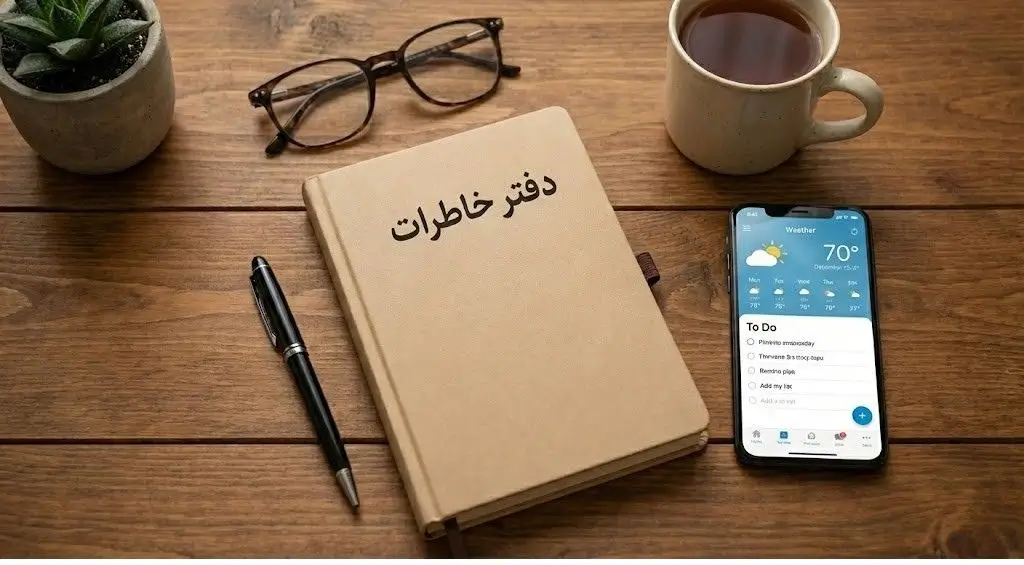
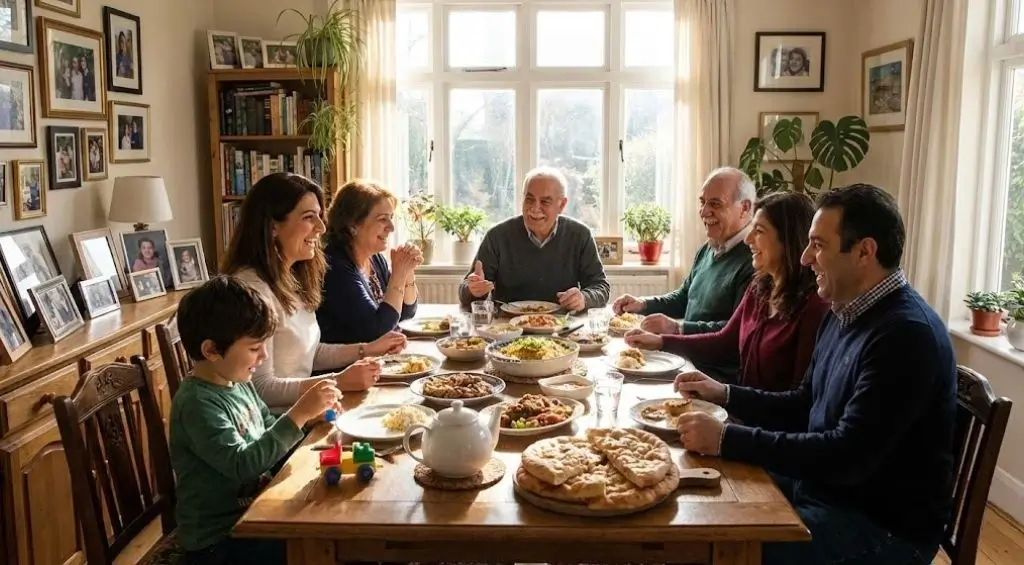
| 1 | My Family | خانواده من | khānevāde-ye man |
| 2 | My Mother | مادر من | mādar-e man |
| 3 | My Father | پدر من | pedar-e man |
| 4 | My Brother or Sister | خواهر یا برادر من | khāhar yā barādar-e man |
| 5 | My Best Friend | بهترین دوست من | behtarin dust-e man |
| 6 | A Family Picnic | یک پیکنیک خانوادگی | yek pik-nik-e khānevādegi |
| 7 | My Family | خانوادهی من | khānevāde-ye man |
| 8 | My Pet | حیوان خانگی من | heyvān-e khānegi-ye man |
| 9 | A Special Day with My Friend | یک روز خاص با دوستم | yek ruz-e khāss bā dustam |
| 10 | My Family Traditions | رسمهای خانوادگی ما | rasm-hā-ye khānevādegi-ye mā |
| 11 | My Parents’ Job | شغل پدر و مادرم | shoghl-e pedar o mādaram |
| 12 | My Grandparents | پدربزرگ و مادربزرگ من | pedarbozorg o mādarbozorg-e man |
| 13 | My Friend’s Hobby | سرگرمی دوست من | sargarmi-ye dustam |
| 14 | My Favorite Family Memory | خاطره مورد علاقه من از خانواده | khātere-ye mored-e ‘alāqe-ye man az khānevāde |
| 15 | My Friend’s Birthday Party | جشن تولد دوستم | jashn-e tavalod-e dustam |
| 16 | A Trip with My Family | یک سفر با خانوادهام | yek safar bā khānevāde-am |
| 17 | My Favorite Relative | فامیل مورد علاقه من | fāmil-e mored-e ‘alāqe-ye man |
| 18 | My School Friends | دوستان مدرسهام | dustān-e madrese-am |
| 19 | My Friendship Story | داستان دوستی من | dāstān-e dusti-ye man |
| 20 | A Game I Play with My Friends | بازیای که با دوستانم میکنم | bāzi-i ke bā dustānam mikonam |
Travel & Holidays
| # | Topic (English) | Topic (Persian) | Transliteration |
| 1 | My Last Holiday | آخرین تعطیلات من | ākharin ta‘tilāt-e man |
| 2 | A Place I Visited Recently | جایی که اخیراً دیدم | jāyi ke akhiran didam |
| 3 | My Dream Vacation | تعطیلات رویایی من | ta‘tilāt-e ru’yāyi-ye man |
| 4 | Visiting the Beach | رفتن به ساحل | raftan be sāhel |
| 5 | My First Trip by Train | اولین سفر با قطار | avalin safar bā qetār |
| 6 | Traveling by Plane | سفر با هواپیما | safar bā havāpeymā |
| 7 | A City I Want to Visit | شهری که دوست دارم ببینم | shahri ke dust dāram bebinam |
| 8 | A Trip to the Mountains | سفر به کوهستان | safar be kuhestān |
| 9 | My Summer Holiday | تعطیلات تابستانی من | ta‘tilāt-e tābestāni-ye man |
| 10 | My Winter Holiday | تعطیلات زمستانی من | ta‘tilāt-e zemestāni-ye man |
| 11 | Visiting a Museum | بازدید از موزه | bāzdid az muzeh |
| 12 | A Visit to the Zoo | بازدید از باغوحش | bāzdid az bāgh-e-vahsh |
| 13 | My Trip to the Park | گردش در پارک | gasht dar pārk |
| 14 | My Holiday with Friends | تعطیلات با دوستانم | ta‘tilāt bā dustānam |
| 15 | A Picnic in the Countryside | پیکنیک در طبیعت | pik-nik dar tabi‘at |
| 16 | My First Camping Trip | اولین تجربه کمپینگ من | avalin tajrobe-ye kamping-e man |
| 17 | A Weekend Trip | یک سفر آخر هفته | yek safar-e ākhare hafteh |
| 18 | My Favorite Holiday Destination | مقصد تعطیلات مورد علاقه من | maghsad-e ta‘tilāt-e mored-e ‘alāqe-ye man |
| 19 | A National Holiday in My Country | تعطیل رسمی در کشور من | ta‘til-e rasmi dar keshvar-e man |
| 20 | My Visit to a New Restaurant | رفتن به یک رستوران جدید | raftan be yek resturān-e jadid |
Hobbies & Free Time
| # | Topic (English) | Topic (Persian) | Transliteration |
| 1 | My Favorite Hobby | سرگرمی مورد علاقه من | sargarmi-ye mored-e ‘alāqe-ye man |
| 2 | My Favorite Sport | ورزش مورد علاقه من | varzesh-e mored-e ‘alāqe-ye man |
| 3 | Playing Football | فوتبال بازی کردن | futbol bāzi kardan |
| 4 | Listening to Music | گوش دادن به موسیقی | gush dādan be musiqi |
| 5 | Playing a Musical Instrument | نواختن ساز | navākhtan-e sāz |
| 6 | Watching Movies | فیلم دیدن | film didan |
| 7 | Reading Books | کتاب خواندن | ketāb khāndan |
| 8 | My Favorite Singer | خواننده مورد علاقه من | khānande-ye mored-e ‘alāqe-ye man |
| 9 | My Favorite Actor | بازیگر مورد علاقه من | bāzigar-e mored-e ‘alāqe-ye man |
| 10 | My Favorite Song | آهنگ مورد علاقه من | āhang-e mored-e ‘alāqe-ye man |
| 11 | My Art Project | پروژه هنری من | proje-ye honari-ye man |
| 12 | Drawing and Painting | نقاشی کشیدن | naqqāshi keshidan |
| 13 | Playing Video Games | بازیهای ویدیویی | bāzi-hā-ye video’i |
| 14 | My Favorite Game | بازی مورد علاقه من | bāzi-ye mored-e ‘alāqe-ye man |
| 15 | My Favorite YouTube Channel | کانال یوتیوب مورد علاقه من | kānāl-e yutub-e mored-e ‘alāqe-ye man |
| 16 | Dancing | رقصیدن | raghsidan |
| 17 | Swimming | شنا کردن | shenā kardan |
| 18 | Going to the Gym | رفتن به باشگاه | raftan be bāshgāh |
| 19 | Cooking My Favorite Dish | پختن غذای مورد علاقهام | pokhtan-e ghazā-ye mored-e ‘alāqe-am |
| 20 | Collecting Stamps or Coins | جمعکردن تمبر یا سکه | jam‘ kardan-e tambor yā sekkeh |
School & Learning
| # | Topic (English) | Topic (Persian) | Transliteration |
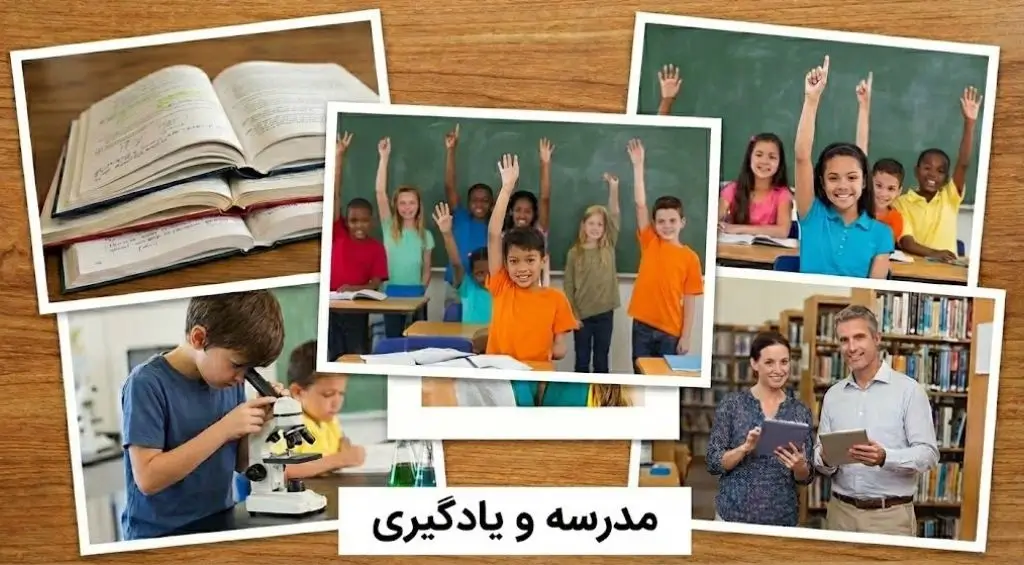
| 1 | My School | مدرسه من | madrese-ye man |
| 2 | My Classroom | کلاس درس من | kelās-e dars-e man |
| 3 | My Teacher | معلم من | mo‘allem-e man |
| 4 | My Favorite Subject | درس مورد علاقه من | dars-e mored-e ‘alāqe-ye man |
| 5 | My Persian Class | کلاس فارسی من | kelās-e fārsi-ye man |
| 6 | A School Trip | اردو یا سفر مدرسه | safar-e madrese |
| 7 | My Homework Routine | برنامه انجام تکالیف من | barnāme-ye takālīf-e man |
| 8 | My Classmates | همکلاسیهای من | hamkelāsi-hā-ye man |
| 9 | My School Uniform | لباس مدرسه من | lebās-e madrese-ye man |
| 10 | My Favorite Lesson | کلاس مورد علاقه من | kelās-e mored-e ‘alāqe-ye man |
| 11 | How I Study for Exams | چطور برای امتحان درس میخوانم | chetor barāye emtehān dars mikhoonam |
| 12 | A Fun Day at School | یک روز شاد در مدرسه | yek ruz-e shād dar madrese |
| 13 | My School Library | کتابخانه مدرسه من | ketābkhāne-ye madrese-ye man |
| 14 | My Favorite School Event | برنامه مورد علاقه من در مدرسه | barnāme-ye mored-e ‘alāqe dar madrese |
| 15 | My First Day at School | اولین روز مدرسه من | avalin ruz-e madrese-ye man |
| 16 | My School Bag | کیف مدرسه من | kif-e madrese-ye man |
| 17 | My School Sports Day | روز ورزش مدرسه | ruz-e varzesh-e madrese |
| 18 | My Favorite Book from School | کتاب مورد علاقه من در مدرسه | ketāb-e mored-e ‘alāqe dar madrese |
| 19 | How I Learn Persian | من چگونه فارسی یاد میگیرم | man chegune fārsi yād migiram |
| 20 | My Future Study Plan | برنامه تحصیلی آینده من | barnāme-ye tahsili-ye āyande-ye man |
Office Works
| # | Topic (English) | Topic (Persian) | Transliteration |
| 1 | My Job | شغل من | shoghl-e man |
| 2 | My Workplace | محل کار من | mahall-e kār-e man |
| 3 | My Workday Routine | برنامه کاری روزانه من | barnāme-ye kāri-ye ruzāne-ye man |
| 4 | My Office | دفتر کار من | daftar-e kār-e man |
| 5 | My Colleagues | همکاران من | hamkārān-e man |
| 6 | My Boss | مدیر من | modir-e man |
| 7 | My Working Hours | ساعت کاری من | sā‘at-e kāri-ye man |
| 8 | A Busy Day at Work | یک روز شلوغ در محل کار | yek ruz-e sholugh dar mahall-e kār |
| 9 | My Tasks at Work | وظایف من در محل کار | vazāyef-e man dar mahall-e kār |
| 10 | A Typical Meeting | یک جلسه کاری معمولی | yek jalase-ye kāri-ye ma‘muli |
| 11 | Working from Home | کار کردن از خانه | kār kardan az khāneh |
| 12 | My Lunch Break | وقت ناهار من | vaqt-e nāhār-e man |
| 13 | A Problem at Work | یک مشکل در محل کار | yek moshkel dar mahall-e kār |
| 14 | A Successful Workday | یک روز کاری موفق | yek ruz-e kāri-ye movaffaq |
| 15 | My Job Responsibilities | مسئولیتهای شغلی من | mas’uliyat-hā-ye shoghli-ye man |
| 16 | Talking to Clients | صحبت با مشتریها | sohbat bā moshtari-hā |
| 17 | My Work Skills | مهارتهای کاری من | mahārat-hā-ye kāri-ye man |
| 18 | My Career Goals | هدفهای شغلی من | hadaf-hā-ye shoghli-ye man |
| 19 | A Work Email I Write | ایمیلی که در کار مینویسم | email-i ke dar kār minevisam |
| 20 | My Ideal Job | شغل ایدهآل من | shoghl-e ide’āl-e man |
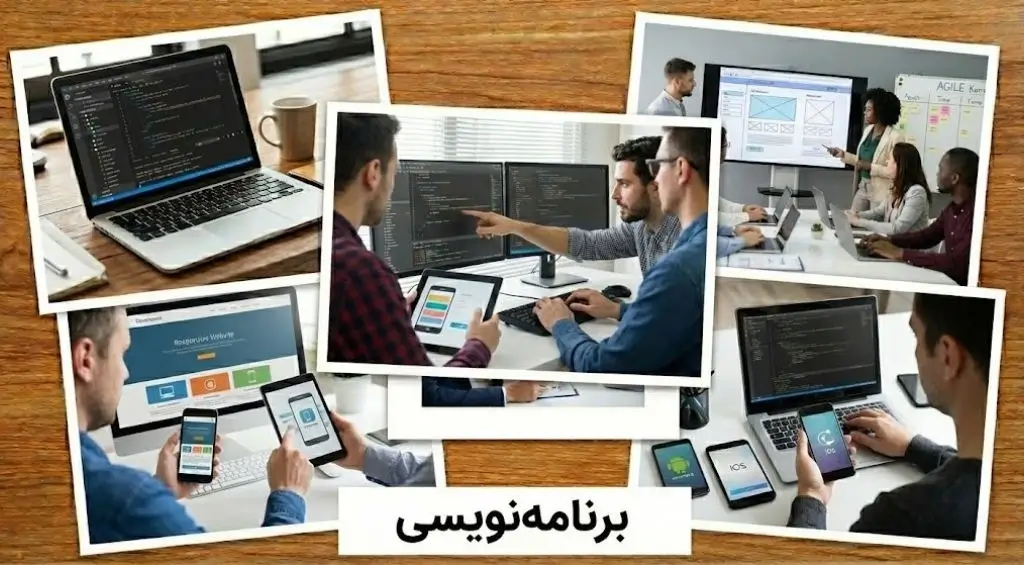
Programming & Web/Mobile Development
| # | Topic (English) | Topic (Persian) | Transliteration |
| 1 | My Job as a Programmer | شغل من بهعنوان برنامهنویس | shoghl-e man be-‘onvān-e barnāme-nevis |
| 2 | My Programming Languages | زبانهای برنامهنویسی من | zabān-hā-ye barnāme-nevisi-ye man |
| 3 | My Daily Coding Routine | برنامه روزانه کدنویسی من | barnāme-ye ruzāne-ye kod-nevisi-ye man |
| 4 | My Computer Setup | سیستم کامپیوتری من | sistem-e kāmpiuteri-ye man |
| 5 | My Favorite Programming Language | زبان برنامهنویسی مورد علاقه من | zabān-e barnāme-nevisi-ye mored-e ‘alāqe-ye man |
| 6 | A Typical Workday | یک روز کاری معمولی | yek ruz-e kāri-ye ma‘muli |
| 7 | Working on a Project | کار کردن روی یک پروژه | kār kardan ru-ye yek proje |
| 8 | Debugging Code | دیباگ کردن کد | debug kardan-e kod |
| 9 | A Bug I Fixed | باگی که درست کردم | bug-i ke dorost kardam |
| 10 | Learning a New Technology | یاد گرفتن یک تکنولوژی جدید | yād gereftan-e yek teknologi-ye jadid |
| 11 | Working in a Team | کار تیمی | kār-e timi |
| 12 | Remote Work | دورکاری | durkāri |
| 13 | Using Git or Version Control | استفاده از گیت | estefāde az git |
| 14 | Writing Clean Code | نوشتن کد تمیز | neveshtan-e kod-e tamiz |
| 15 | A Difficult Problem | یک مسئله سخت | yek mas’ale-ye sakht |
| 16 | My Favorite Coding Tool | ابزار کدنویسی مورد علاقه من | abzar-e kod-nevisi-ye mored-e ‘alāqe-ye man |
| 17 | Reading Documentation | خواندن مستندات | mostanadāt khāndan |
| 18 | My First Programming Job | اولین شغل برنامهنویسی من | avalin shoghl-e barnāme-nevisi-ye man |
| 19 | My Career as a Developer | مسیر شغلی من بهعنوان دولوپر | masir-e shoghli-ye man be-‘onvān-e developer |
| 20 | Why I Like Programming | چرا برنامهنویسی را دوست دارم | cherā barnāme-nevisi rā dust dāram |
Final Advice for Learners
- Write simply and clearly
- Use short sentences
- Focus on meaning, not perfection
- Reuse your writing for speaking
- Let your teacher guide expansion
At the beginner level, Persian writing should feel safe, practical, and motivating. With regular practice, these topics help learners move step by step from writing to confident speaking.
Happy learning
FAQ
What are good Persian writing topics for beginners?
Good Persian writing topics for beginners include everyday subjects like daily routines, family descriptions, favorite foods, and simple travel experiences. These A1-A2 prompts help activate vocabulary, internalize grammar patterns, and build confidence for speaking.
How can writing practice improve my Persian speaking?
Writing strengthens vocabulary retention and internalizes grammar patterns. A written paragraph can become a conversation warm-up, role-play prompt, or pronunciation exercise — bridging the gap between passive knowledge and active speaking.
What is the best way to practice Persian writing as a beginner?
Write one short paragraph (8-12 sentences) in 10-20 minutes. Focus on short, clear sentences using present or past simple tense. Then read it aloud for pronunciation practice, and discuss it with a teacher or language partner.
Should I write in Persian script or transliteration (Finglish)?
Always write in Persian script. Transliteration becomes a crutch that blocks long-term fluency. Writing in the original script builds direct brain connections to word shapes and sounds — the way native speakers process language.
How many Persian writing topics do I need to reach conversational level?
With 100-140 guided topics covering everyday life, family, travel, hobbies, and work, most beginners develop enough vocabulary and confidence for basic conversations within 3-6 months of regular practice.
Where can I find structured Persian writing exercises with feedback?
Joy of Persian offers interactive writing exercises with instant feedback, native audio, and cultural context — designed by Dr. Leila Seyedghasem, an award-winning Persian literature PhD with over 4,900 lessons taught.
 Add as a preferred source on Google
(Click the link and check the box next to our name)
140 topics and my tutor actually asked follow-up questions for the first time. Before this, I was just describing my “favorite color” like a robot. The programming section is hilarious — wrote about Git in Farsi and my Iranian coworker did a double take. Respect earned.
Hi Jake, this is exactly why we put this list together! Getting past the “robot” phase is one of the biggest milestones in language learning. The story about your coworker and Git is absolutely brilliant—that’s the real power of learning vocabulary that actually matches your daily life. Out of curiosity, did they teach you any Persian coding slang after that? Keep up the fantastic work!
I tried the “My Daily Routine” topic with my tutor last week and it turned into a 20-minute conversation about my actual morning habits. Never thought writing 8 sentences about brushing my teeth could lead to discussing Iranian breakfast culture!
Hey Ehsan, we absolutely love hearing this! That’s the magic of starting with relatable, everyday topics—they naturally open the door to deep, authentic cultural conversations. Iranian breakfasts (especially with fresh bread, feta, sweet tea, and walnuts) are definitely worth a 20-minute chat! What was the most surprising thing you learned about our breakfast culture from your tutor?
tl;dr: 140 topics, zero fluff, real script, actual speaking practice. If you’re learning Persian and not using this, you’re making it harder than it needs to be.
Hi Mira, thank you so much for such a strong endorsement! “Zero fluff and actual speaking practice” is exactly the standard we strive for. We know how frustrating traditional, rigid language resources can be, so we’re thrilled that this list is hitting the mark and making your Persian journey smoother and much more practical.