
In the shadow of ancient epics, the spirit of resistance endures. As Iranians rise against the yoke of dictatorship, their courage mirrors the timeless tale of Fereydun’s triumph over the serpent-shouldered tyrant Zahhak in Ferdowsi’s Shahnameh—a story best known through the enduring myth of Zahhak and Fereydun, where resistance, justice, and the will of the people shape the fate of a nation.
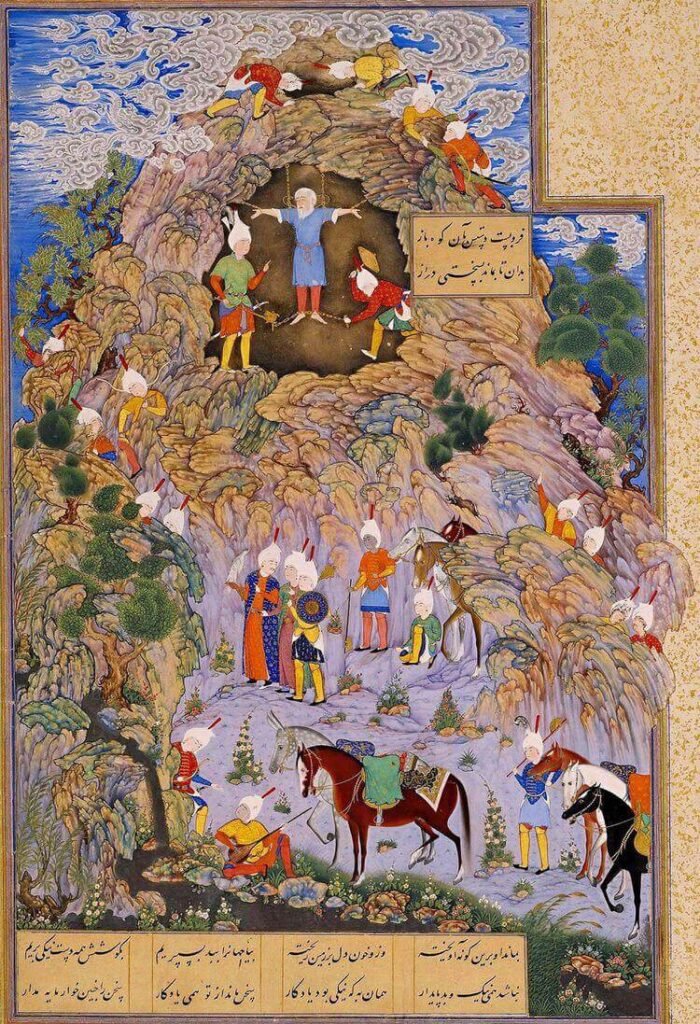
This myth, woven into the fabric of Persian identity, speaks not just of a distant past but of an eternal struggle for justice. Zahhak, the embodiment of oppression fed by demonic whispers, rules through fear and bloodshed, his shoulders sprouting snakes that devour the youth of the land. Fereydun, the heroic liberator raised in secrecy, emerges as a beacon of hope, wielding his ox-headed mace to shatter tyranny. Today, amid protests that echo the cries of the oppressed in Ferdowsi’s verses, we see Zahhak’s shadow in authoritarian rule and Fereydun’s fire in the bravery of ordinary people demanding freedom.
This story reminds us that tyrants, no matter how entrenched, are destined to fall when the people unite. Zahhak symbolizes unchecked power corrupted by evil—his snakes representing the insatiable hunger for control that consumes societies.
Fereydun, by the power of justice and with divine support, through the unity of the people and under heavenly guidance, overcame Zahhak; not in haste for bloodshed, but, since the time for killing had not yet come, he bound him and consigned him to Mount Damavand, so that the world might remain safe from his harm and his evil rule be cast down from the throne.
The uprising, like Fereydun’s march, transforms everyday citizens—blacksmiths, mothers, students—into warriors against injustice. Just as the people of the city in the myth rain stones and arrows upon Zahhak’s forces, modern Iranians flood the streets, their voices a barrage against repression. The myth’s climax, where Zahhak is bound in Mount Damavand rather than slain, underscores a profound symbolism: evil is not eradicated but contained, a reminder that vigilance is eternal in the pursuit of liberty.
To delve deeper into this pivotal moment, below is a complete translation and transliteration of the 69 verses from the “The Binding of Zahhak by Fereydun” section of the Shahnameh. These verses capture the dramatic confrontation, drawing on Ferdowsi’s masterful poetry. The transliteration follows the Iranian Studies scheme, ensuring consistency and scholarly precision.
As a rule, we do not use transliteration (Finglish) in our courses, as it often becomes a temporary aid that hinders long-term reading fluency and direct engagement with Persian script. However, for this post we have made a conscious exception: in the current historical moment, transliteration serves as a bridge rather than a substitute, allowing second- and third-generation Iranians who have not yet learned the Persian alphabet to connect immediately with the language, emotion, and spirit of resistance embedded in these epic verses of the Shahnameh.
What follows these verses is just as important. After the translation, the post moves beyond the text into sound and interpretation: a contemporary musical adaptation that reanimates the epic’s most powerful lines, followed by a scholarly recitation and reflection in Dr. Amir Khadem’s Ferdowsi-khani podcast. Together, these sections show how the story continues to live—across media, generations, and political moments.
Zahhak and Fereydun: The Binding of a Tyrant in the Shahnameh
| Persian Verse | Transliteration | English Translation |
|---|---|---|
| جهاندار ضحاک از آن گفتگوی به جوش آمد و زود بنهاد روی | jahāndār zahhāk az ān goftoguy be jush āmad o zud benhād ruy | The world-ruling Zahhak, from that discourse, Boiled in fury and swiftly set his course. |
| چو شب گردش روز پرگار زد فروزنده را مهره در قار زد | cho shab gardesh-e ruz pargār zad foruzandeh rā mohreh dar qār zad | When night spun the day’s compass around, The shining one cast its piece into the ground. |
| بفرمود تا برنهادند زین بر آن بادپایان باریک بین | be farmud tā barnehādand zin bar ān bādpāyān-e bārik bin | He commanded saddles be placed with care, On those swift-footed steeds, keen and aware. |
| بیامد دمان با سپاهی گران همه نره دیوان جنگاوران | biyāmad damān bā sepāhi gerān hameh narreh divān jangāvarān | He came racing with a heavy host so grand, All bold demons, warriors of the land. |
| ز بیراه مر کاخ را بام و در گرفت و به کین اندر آورد سر | ze bi rāh mar kākh rā bām o dar gereft o be kin andar āvard sar | From hidden paths, the palace roof and gate He seized, and plunged his head in vengeful hate. |
| سپاه فریدون چو آگه شدند همه سوی آن راه بیره شدند | sepāh-e feridun cho āgeh shodand hameh suy-e ān rāh bi rah shodand | Fereydun’s army, once aware of the foe, All turned toward that path without a road. |
| ز اسپان جنگی فرو ریختند در آن جای تنگی برآویختند | ze aspān-e jangi foru rikhtand dar ān jāy-e tangi barāvikhtand | From war steeds they poured down in fierce array, In that narrow space, they clashed without delay. |
| همه بام و در مردم شهر بود کسی کش ز جنگاوری بهر بود | hameh bām o dar mardom-e shahr bud kasi kash ze jangāvari behr bud | All roofs and doors held the city’s folk so bold, Those with warrior’s share, in courage untold. |
| همه در هوای فریدون بدند که از درد ضحاک پرخون بدند | hameh dar havāy-e feridun bodand keh az dard-e zahhāk por khun bodand | All yearned for Fereydun in fervent plea, Bloodied hearts from Zahhak’s cruelty. |
| ز دیوارها خشت وز بام سنگ به کوی اندرون تیغ و تیر و خدنگ | ze divārhā khesht vaz bām sang be kuy andarun tigh o tir o khadang | From walls came bricks, from roofs stones did rain, In streets swords, arrows, spears caused pain. |
| ببارید چون ژاله ز ابر سیاه پئی را نبد بر زمین جایگاه | babārid chun zhāleh ze abr-e siyāh payi rā nabod bar zamin jāygāh | It hailed like dew from clouds of darkest night, No space for feet upon the ground in sight. |
| به شهر اندرون هر که برنا بدند چه پیران که در جنگ دانا بدند | be shahr andarun har keh barnā bodand cheh pirān keh dar jang dānā bodand | In the city, every youth who stood so tall, And elders wise in war, heeded the call. |
| سوی لشکر آفریدون شدند ز نیرنگ ضحاک بیرون شدند | suy-e lashkar-e āfaridun shodand ze nirang-e zahhāk birun shodand | Toward Fereydun’s host they turned in flight, Escaping Zahhak’s deceitful might. |
| خروشی برآمد ز آتشکده که بر تخت اگر شاه باشد دده | khorushi barāmad ze ātashkadeh keh bar takht agar shāh bāshad dadeh | A roar arose from the fire-temple’s gate, “If a king sits on throne, let him be great.” |
| همه پیر و برناش فرمان بریم یکایک ز گفتار او نگذریم | hameh pir o barnāsh farmān barim yekāyek ze goftār-e u nagozarim | All elders and youths his commands obey, Not one from his words shall turn away. |
| نخواهیم بر گاه ضحاک را مر آن اژدهادوش ناپاک را | nakhāhim bar gāh-e zahhāk rā mar ān azhdehā dush nāpāk rā | We want not Zahhak’s throne so vile, That serpent-shouldered unclean wile. |
| سپاهی و شهری به کردار کوه سراسر به جنگ اندر آمد گروه | sepāhi o shahri be kerdār-e kuh sarāsar be jang andar āmad goruh | Army and city like mountains arose, All in battle, united as foes. |
| از آن شهر روشن یکی تیره گرد برآمد که خورشید شد لاجورد | az ān shahr-e rowshan yeki tireh gard barāmad keh khorshid shod lājvard | From that bright city, dark dust did ascend, Turning the sun to lapis, without end. |
| پس آنگاه ضحاک شد چارهجوی ز لشکر سوی کاخ بنهاد روی | pas āngāh zahhāk shod chāreh juy ze lashkar suy-e kākh benhād ruy | Then Zahhak sought a cunning plan, From army to palace, he turned and ran. |
| به آهن سراسر بپوشید تن بدان تا نداند کسش ز انجمن | be āhan sarāsar bepushid tan bedān tā nadānad kassash ze anjoman | In iron he clad his body whole, So none from the crowd would know his soul. |
| به چنگ اندرون شستیازی کمند برآمد بر بام کاخ بلند | be chang andarun shast yāzi kamand barāmad bar bām-e kākh-e boland | In hand a sixty-cubit lasso tight, He climbed to the palace roof’s great height. |
| بدید آن سیه نرگس شهرناز پر از جادویی با فریدون به راز | bedid ān siyeh nargis-e shahrnāz por az jāduyi bā feridun be rāz | He saw that black narcissus, Shahrnaz fair, Full of sorcery, whispering secrets there. |
| دو رخساره روز و دو زلفش چو شب گشاده به نفرین ضحاک لب | do rokhsāreh ruz o do zolfash cho shab goshādeh be nefrin-e zahhāk lab | Two cheeks like day, two locks like night so deep, Lips open cursing Zahhak in sleep. |
| به مغز اندرش آتش رشک خاست به ایوان کمند اندر افگند راست | be maghz andarash ātash-e rashk khāst be ivān kamand andar afgand rāst | In his brain a fire of jealousy burned, To the balcony the lasso he turned. |
| نه از تخت یاد و نه جان ارجمند فرود آمد از بام کاخ بلند | nah az takht yād o nah jān arjomand forud āmad az bām-e kākh-e boland | No thought of throne or life so dear, From high roof he descended without fear. |
| به دست اندرش آبگون دشنه بود به خون پریچهرگان تشنه بود | be dast andarash ābgun dashneh bud be khun-e pari chehragān teshneh bud | In hand a blue-steel dagger keen, Thirsting for fairy-faced blood unseen. |
| ز بالا چو پی بر زمین برنهاد بیآمد فریدون به کردار باد | ze bālā cho pi bar zamin barnehād biyāmad feridun be kerdār-e bād | From above like an arrow he hit the ground, Fereydun came swift as wind around. |
| بر آن گُرزهٔ گاوسر دست برد بزد بر سرش، ترگ بشکست خرد | bar ān gorzeh-ye gāvsar dast bord bezad bar sarash, targ beshkast khord | To the ox-headed mace his hand he laid, Struck his head, the helmet crushed and frayed. |
| بیآمد سروش خجسته دمان مزن گفت کاو را نیامد زمان | biyāmad sorush-e khejasteh damān mazan goft kāv rā niyāmad zamān | Blessed Sorush came racing near, “Strike not,” he said, “his time is not here.” |
| همیدون شکسته ببندش چو سنگ ببر تا دو کوه آیدت پیش تنگ | hamidun shekasteh bebandash cho sang bebar tā do kuh āyadat pish tang | Bind him now, broken like stone so grim, Take him where two mountains narrow and dim. |
| به کوه اندرون به بود بند او نیاید برش خویش و پیوند او | be kuh andarun beh bud band-e u niyāyad barash kheysh o peyvand-e u | In the mountain’s heart his bond shall be, No kin or bond shall set him free. |
| فریدون چو بشنید نآسود دیر کمندی بیاراست از چرم شیر | feridun cho beshnid nāsud dir kamandi biyārāst az charm-e shir | Fereydun heard and paused not long, A lasso he fashioned from lion’s thong. |
| به تندی ببستش دو دست و میان که نگشاید آن بند پیل ژیان | be tondi bebastash do dast o miyān keh nagshāyad ān band-e pil-e zhiyān | Swiftly bound his hands and waist so tight, No fierce elephant could break that might. |
| نشست از بر تخت زرین او بیفگند ناخوب آیین او | neshast az bar takht-e zarin-e u bifgand nākhub āyin-e u | He sat upon his golden throne so grand, Cast down his foul rites across the land. |
| بفرمود کردن به در بر خروش که هر کس که دارید بیدار هوش | be farmud kardan be dar bar khorush keh har kas keh dārid bidār hush | Commanded a cry at the gate to sound, “All who have watchful minds around.” |
| نباید که باشید با ساز جنگ نه زین گونه جوید کسی نام و ننگ | nabāyad keh bāshid bā sāz-e jang nah zin guneh juyad kasi nām o nang | You should not be armed for war’s cruel art, Nor seek fame and shame in such a part. |
| سپاهی نباید که با پیشهور به یک روی جویند هر دو هنر | sepāhi nabāyad keh bā pisheh var be yek ruy juyand har do honar | Soldiers need not with craftsmen vie, Seeking both skills under one sky. |
| یکی کارورز و یکی گُرزدار سزاوار هر کس پدید است کار | yeki kārvarz o yeki gorzdār sezāvār-e har kas padid ast kār | One toils in craft, one wields the mace, Each has their fitting, evident place. |
| چو این کار آن جوید آن کار این پرآشوب گردد سراسر زمین | cho in kār ān juyad ān kār in por āshub gardad sarāsar zamin | When one seeks the other’s role in strife, The whole earth fills with chaotic life. |
| به بند اندر است آن که ناپاک بود جهان را ز کردار او باک بود | be band andar ast ān keh nāpāk bud jahān rā ze kerdār-e u bāk bud | In bonds is he who was unclean and vile, The world feared his deeds for a while. |
| شما دیر مانید و خرم بوید به رامش سوی ورزش خود شوید | shomā dir mānid o khoram buyid be rāmesh suy-e varzesh-e khod shavid | Linger long and joyfully stay, To your pleasures now make your way. |
| شنیدند یکسر سخنهای شاه از آن مرد پرهیز با دستگاه | shenidand yeksar sokhanhāy-e shāh az ān mard-e parhiz bā dastgāh | They heard the king’s words one and all, From that prudent man with regal call. |
| وز آن پس همه نامداران شهر کسی کش بد از تاج وز گنج بهر | vaz ān pas hameh nāmdārān-e shahr kasi kash bod az tāj vaz ganj behr | Then all the city’s nobles came near, Those with share in crown and treasure dear. |
| برفتند با رامش و خواسته همه دل به فرمانش آراسته | beraftand bā rāmesh o khvāsteh hameh del be farmānash ārāsteh | They went with joy and wealth in tow, Hearts adorned to his command they bow. |
| فریدون فرزانه بنواختشان بر اندازه بر پایگه ساختشان | feridun-e farzāneh benvākhteshān bar andāzeh bar pāygeh sākhteshān | Wise Fereydun graced them with care, On fitting thrones he placed them there. |
| همی پندشان داد و کرد آفرین همی یاد کرد از جهانآفرین | hami pandeshān dād o kard āfarin hami yād kard az jahān āfarin | He gave them counsel and praise so fine, Recalled the world-creator divine. |
| همی گفت کاین جایگاه من است به نیک اختر بومتان روشن است | hami goft kāyn jāygāh-e man ast be nik akhtar bumetān rowshan ast | He said, “This seat is mine by right, Your lands bright with good fortune’s light.” |
| که یزدان پاک از میان گروه برانگیخت ما را ز البرز کوه | keh yezdān-e pāk az miyān-e goruh barāngikht mā rā ze alborz kuh | “Pure God from the crowd did raise, Us from Alborz mountain’s haze.” |
| بدان تا جهان از بد اژدها به فرمان گُرز من آید رها | bedān tā jahān az bad-e azhdehā be farmān-e gorz-e man āyad rahā | “So the world from dragon’s ill may flee, To my mace’s command, set free.” |
| چو بخشایش آورد نیکیدهش به نیکی بباید سپردن رهش | cho bakhshāyesh āvard niki dehsh be niki bebāyad sepordan rahash | When the giver of good brings grace so true, To goodness we must his path pursue. |
| منم کدخدای جهان سر به سر نشاید نشستن به یک جای بر | manam kadkhodāy-e jahān sar be sar nashāyad neshastan be yek jāy bar | I am steward of the world entire, Not to sit in one place, but aspire. |
| وگر نه من ایدر همی بودمی بسی با شما روز پیمودمی | vagar nah man idar hami budami basi bā shomā ruz peymudami | Else here I would linger long with you, Many days in fellowship true. |
| مهان پیش او خاک دادند بوس ز درگاه برخاست آوای کوس | mahān pish-e u khāk dādand bus ze dargāh bar khāst āvāy-e kus | Nobles kissed the dust before his throne, From the court rose the drum’s deep tone. |
| دمادم برون رفت لشکر ز شهر وز آن شهر نایافته هیچ بهر | damādam borun raft lashkar ze shahr vaz ān shahr nāyāfteh hich behr | Steadily the army left the town’s gate, From that city, no share in their fate. |
| ببردند ضحاک را بسته خوار به پشت هیونی برافگنده زار | bobordand zahhāk rā basteh khvār be posht-e hiyuni bar afgandeh zār | They bore bound Zahhak in wretched plight, Thrown sadly on a camel’s back tight. |
| همی راند از این گونه تا شیرخوان جهان را چو این بشنوی پیر خوان | hami rānd az in guneh tā shir khvān jahān rā cho in beshnavi pir khvān | Thus they drove him to the lion’s den, World, hear this as elders tell again. |
| بسا روزگارا که بر کوه و دشت گذشتهست و بسیار خواهد گذشت | basā ruzgārā keh bar kuh o dasht gozashteh st o besyār khvāhad gozasht | Many ages over hill and plain have passed, And many more shall come at last. |
| بر آن گونه ضحاک را بسته سخت سوی شیرخوان برد بیداربخت | bar ān guneh zahhāk rā basteh sakht suy-e shir khvān bord bidārbakht | In that way, Zahhak bound firm and tight, The watchful fortunate bore to lion’s site. |
| همی راند او را به کوه اندرون همی خواست کآرد سرش را نگون | hami rānd u rā be kuh andarun hami khvāst kārd sarash rā negun | Drove him into the mountain’s core so deep, Sought to bring his head low in defeat. |
| بیآمد هم آن گه خجسته سروش به خوبی یکی راز گفتش به گوش | biyāmad ham ān gah khejasteh sorush be khubi yeki rāz goftash be gush | Then blessed Sorush came at that hour, Whispered a secret with gentle power. |
| که این بسته را تا دماوند کوه ببر همچنان تازیان بیگروه | keh in basteh rā tā damāvand kuh bebar hamchonnān tāziyān bi goruh | “Take this bound one to Damavand’s height, Like Arabs alone, without a troop in sight.” |
| مبر جز کسی را که نگزیردت به هنگام سختی به بر گیردت | mabar joz kasi rā keh nagziradat be hangām-e sakhti be bar giradat | Take none but one who won’t forsake, In hardship’s time, your side he’ll take. |
| بیآورد ضحاک را چون نوند به کوه دماوند کردش به بند | biyāvard zahhāk rā chun navand be kuh-e damāvand kardash be band | Brought Zahhak like a captive low, To Damavand mountain, bound him so. |
| به کوه اندرون تنگ جایش گزید نگه کرد غاری بنش ناپدید | be kuh andarun tang jāyash gazid negah kard ghāri benash nāpadid | In mountain’s narrow, chose his place, Sought a cave hidden from trace. |
| بیآورد مسمارهای گران به جایی که مغزش نبود اندران | biyāvard mesmārhāy-e gerān be jāyi keh maghzash nabud andarān | Brought heavy nails of weight so dire, Where no brain was, in that mire. |
| فرو بست دستش بر آن کوه باز بدان تا بماند به سختی دراز | foru bast dastash bar ān kuh bāz bedān tā bemānad be sakhti derāz | Nailed his hands to the mountain wide, So he remains in long hardship tied. |
| ببستش بر آن گونه آویخته وز او خون دل بر زمین ریخته | bebastash bar ān guneh āvikhteh vaz u khun-e del bar zamin rikhteh | Bound him hanging in that grim way, From him heart’s blood on earth did spray. |
| از او نام ضحاک چون خاک شد جهان از بد او همه پاک شد | az u nām-e zahhāk chun khāk shod jahān az bad-e u hameh pāk shod | Zahhak’s name became like dust so low, The world from his evil cleansed aglow. |
| گسسته شد از خویش و پیوند او بمانده بدان گونه در بند او | gosasteh shod az kheysh o peyvand-e u bemāndeh bedān guneh dar band-e u | Severed from kin and bonds he knew, Remains in that bond, forever true. |
Zahhak and Fereydun in Music, Podcasts, and Scholarship
Having explored the 69 verses of the Shahnameh that chronicle the end of tyranny, you can now experience the raw energy of these words through music.
This modern rendition by Moonshid, Shaayn, and Nima Ramezan brings the struggle of Fereydun and the uprising of the people to life. It highlights the most iconic lines you have just read, specifically focusing on the central theme of the myth: that Fereydun’s greatness did not come from supernatural origins, but from his commitment to justice and generosity.
For those seeking to immerse themselves in the rhythm of Ferdowsi’s words, I recommend the “Ferdowsi-khani Podcast” by Dr. Amir Khadem, a PhD in Comparative Literature from the University of Alberta and former instructor at the University of Toronto. In his episode on Fereydun and Zahhak, Dr. Khadem recites these verses aloud with scholarly depth, sharing his personal journey of “seeking knowledge” within the Shahnameh‘s layers. Listen here: Ferdowsi-khani: Fereydun & Zahhak. His insights illuminate how this myth inspires resilience against oppression.
What echoes of Fereydun do you see in modern Iran? Share in the comments below.
 Add as a preferred source on Google
(Click the link and check the box next to our name)